
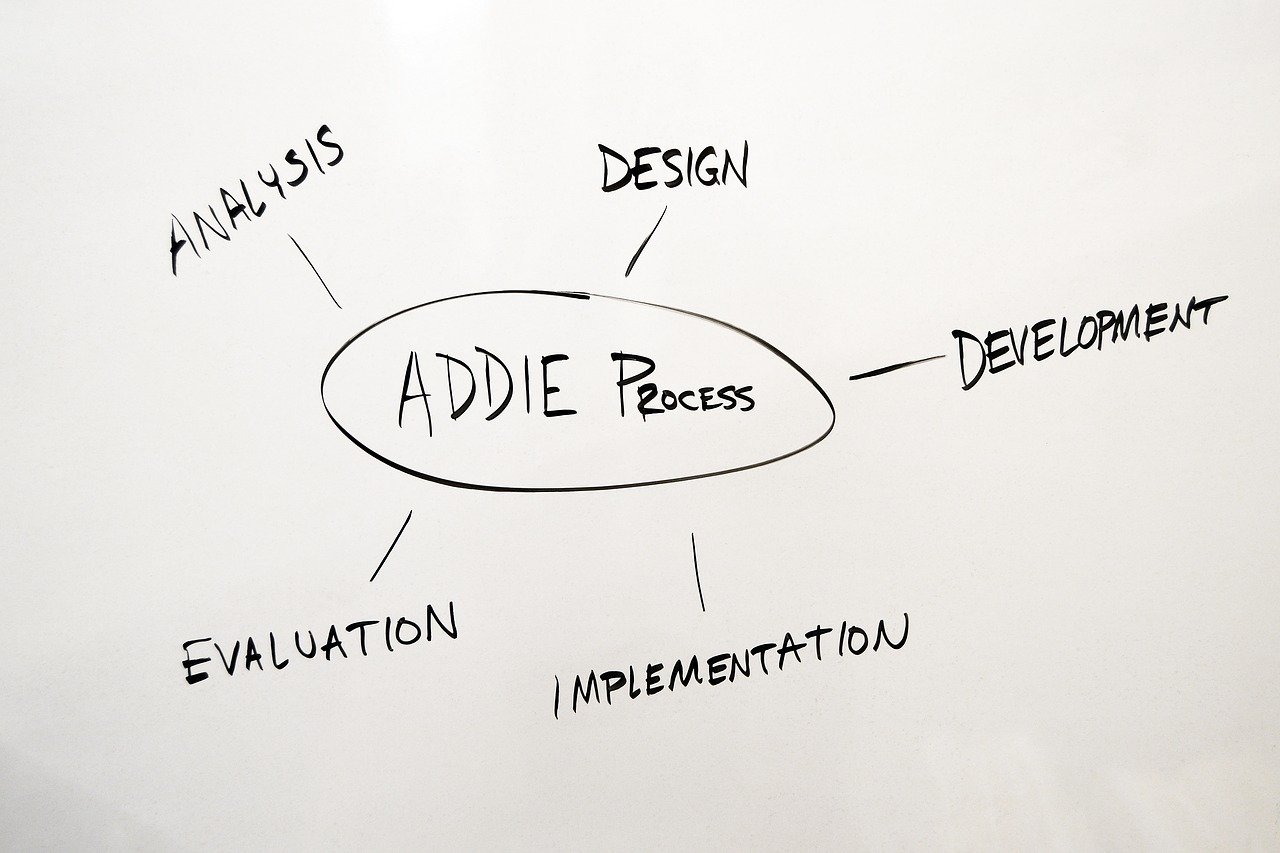
Overview of the ADDIE Model
The ADDIE model is a systematic instructional design framework used to create effective learning experiences. It consists of five key phases: Analysis, Design, Development, Implementation, and Evaluation. Each phase plays a critical role in ensuring instructional materials are well-structured, engaging, and aligned with learners’ needs. By following this structured approach, educators and instructional designers can develop high-quality training programs that enhance learning outcomes and retention.
History & Importance of ADDIE
The ADDIE model originated in the 1970s as a methodology developed by the U.S. military to enhance instructional training programs. Over the years, it has become the foundation for instructional design in various educational and corporate settings. Its structured yet flexible nature allows designers to refine learning experiences continuously. The importance of ADDIE lies in its iterative process, which ensures that training programs are learner-centered, efficient, and measurable, making it a gold standard in instructional design.
 Addie Model Basics